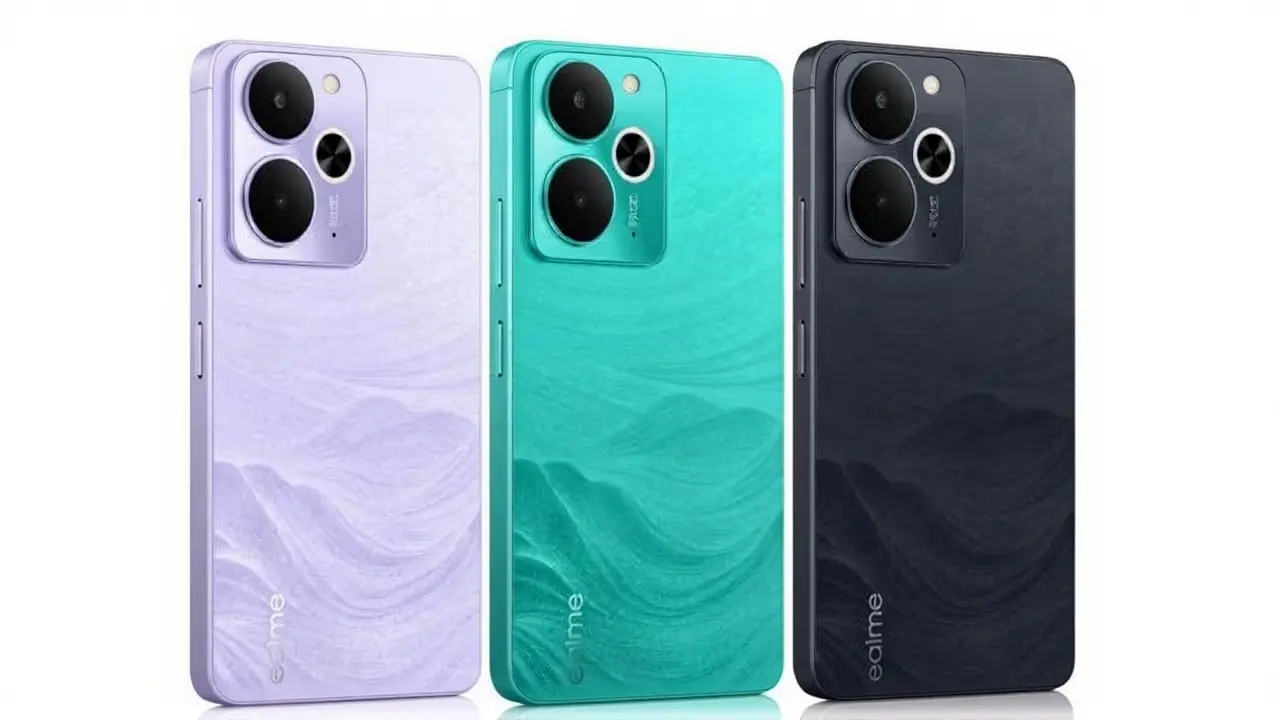
It's been a long wait, but the Realme 14T 5G has finally made its way into stores across major markets. For budget-conscious buyers hunting for premium features without the flagship price tag, this device is turning heads. Launched initially in India back in April 2025, the phone has now trickled down to global retailers including Amazon and Best Buy. The twist is that this isn't just another plastic slab; it brings an IP69 dust and water resistance rating to a segment where ruggedness is usually a luxury tax.
Here's the thing: most phones in the sub-$300 range cut corners on build quality to keep costs low. Turns out, Realme decided to skip that step entirely. With a starting price hovering around ₹17,999 in India (roughly $215 USD) and dipping as low as $181 USD in other regions, the competition is going to get messy very quickly.
Display and Performance: What You Actually Get
The screen is where this phone earns its keep. We're talking about a 6.67-inch FHD+ AMOLED panel that hits 2000 nits peak brightness. In practical terms, this means you won't struggle to see photos outside on a sunny afternoon, a common complaint with cheaper OLED panels. The refresh rate sits at 120Hz, which keeps scrolling smooth, but the real meat is the touch sampling rate hitting 1500Hz. Gamers will notice that extra responsiveness when trying to track movement in fast-paced shooters.
Under the hood lies the MediaTek Dimensity 6300 processor. It's manufactured on a 6-nanometer process, which generally helps with heat management and efficiency. Benchmarks suggest an AnTuTu v10 score around 409,000. While it won't beat high-end Snapdragon chips, it comfortably handles daily multitasking and casual gaming better than 68% of comparable devices in its class.
Memory configurations are flexible. You can pick up an 8GB RAM variant with 128GB storage, step up to 256GB storage, or go all-in with 12GB of LPDDR4X RAM. Interestingly, there's even a dynamic RAM expansion feature pushing effective memory usage higher. Storage-wise, 256GB feels like the sweet spot given how apps and camera photos fill up space nowadays.
Durability and Battery Life Deep Dive
Oddly enough, the standout feature isn't the camera or the screen—it's the protection rating. The device carries an IP69 certification. This is rare. Usually, you only see ratings like IP67 or IP68 at this price point, meaning it survives splashes or brief submersion. IP69 is tougher, handling high-pressure water jets and extreme temperatures. If you drop this near a pool or work in dusty environments, you actually have something durable.
Battery anxiety is also largely solved here. The 6000 mAh lithium polymer battery is massive for a modern smartphone. Most competitors cap out at 4500 or 5000 mAh. Combined with 45-watt wired fast charging, you aren't staring at the wall waiting for power. Real-world testing suggests heavy users could easily stretch past two days without topping up, which is gold for people traveling or commuting.
Pricing Fluctuations and Market Availability
Navigating the price tags gets a bit complicated depending on where you are. In India, the base model sits at ₹17,999, though some third-party listings showed dips to ₹15,549 due to promotions. Over in North America, specifically Canada, prices start around CA$280 for the entry-level 128GB model. We've seen reports from YouTube reviewers suggesting street prices between $220 and $230 USD for specific configurations in certain markets.
The confusion comes from regional import taxes and retailer discounts. One report cited the 8GB/256GB variant at $181 USD, which is cheaper than the lower storage version—a clear anomaly likely tied to stock clearance or regional subsidies. Regardless, the global rollout officially ramped up in March 2026. Major carriers and online retailers like Flipkart and Best Buy Canada have picked up inventory, signaling strong distribution confidence.
Software Updates and Future Support
A smartphone's lifespan isn't just about hardware longevity. A significant update dropped on December 30, 2025, introducing a 'GT Mode' patch. This software tweak optimizes thermal performance and touch response specifically for gaming scenarios. It ensures that when you are playing intense games, the phone doesn't throttle speed due to heat buildup.
The camera setup is standard for the tier: a 50-megapixel primary sensor paired with a 2-megapixel depth sensor. While the selfie camera clocks in at 16 megapixels, the rear shooter performs decently in good light. Low-light shots tend to introduce noise, but for social media sharing, it holds its own against pricier rivals.
Frequently Asked Questions
Is the Realme 14T 5G worth buying over older models?
For most users upgrading from a non-5G phone, yes. The combination of the MediaTek Dimensity 6300 and the massive 6000 mAh battery offers better longevity than previous generations. However, if you already own a Realme 12 Pro+, the upgrade benefits are marginal aside from the improved IP69 durability rating.
What does the IP69 rating mean for everyday use?
IP69 certifies that the device is completely sealed against dust ingress and can withstand high-pressure, high-temperature wash downs. Unlike standard IP67 phones that only survive immersion for short periods, this unit resists steam cleaning and jet washing, making it suitable for industrial or outdoor workers.
When will global shipping begin for international customers?
While the Indian launch happened in April 2025, wide-scale global availability was confirmed for March 2026. Retailers in North America and Europe began stocking units then, with major platforms like Amazon and Best Buy carrying regular inventory. Shipping delays depend heavily on local customs and carrier agreements.
Does the phone support 5G networks in all regions?
Yes, the hardware supports extensive 4G LTE bands alongside 5G capabilities across B1, B2, B3, and multiple global standards. However, actual 5G speeds depend on your local carrier infrastructure. In areas with limited 5G coverage, it functions seamlessly on robust 4G networks.
20 Comments
The endurance found in this device is absolutely remarkable considering the current market standards. A six thousand milliamperes capacity is not something you see often in compact form factors nowadays. Most manufacturers struggle to maintain efficiency without bloating the chassis dimensions significantly. Charging speeds seem adequate for overnight sessions or quick top-ups during lunch breaks. Thermal management appears solid given the processor architecture choices. People who travel frequently will appreciate the reduced anxiety regarding power sources. Real world usage suggests consistent performance even under load conditions. It is refreshing to see prioritization of longevity over unnecessary gimmicks. Efficiency metrics likely beat competitors with higher wattage drains. The screen refresh rate adds another layer to battery consumption balance. Optimization software handles background processes efficiently enough. Users upgrading from older generations will notice immediate differences. Build quality complements the internal hardware specifications nicely. Sealing against dust provides peace of mind for outdoor activities. Water resistance standards exceeding typical ratings add significant value.
looks like a solid pick for anyone wanting good specs without spending too much money honestly the ip69 rating is huge because most people drop phones anyway getting it cheap in india too so why wait for us guys to get deals maybe
It brings immense joy to witness such progress in mobile engineering! The community is always seeking improvements in everyday tools we utilize. Financial constraints should not dictate access to quality technology solutions anymore. This model represents a significant step forward for budget friendly options globally. We must encourage innovation wherever it sprouts from humble beginnings. The battery life implications are profound for digital nomads everywhere. Connectivity standards continue to evolve at breathtaking speeds recently. Manufacturers are finally listening to feedback regarding durability needs. High pressure water resistance ensures survival in extreme weather events. Touch response rates benefit competitive gamers significantly in modern titles. Screen brightness allows visibility under direct sunlight conditions effortlessly. Software patches will further enhance the overall user experience consistently. Future proofing is essential when investing in electronic hardware today. Regional pricing variations offer opportunities for savvy shoppers worldwide. We shall expect continued support from developers for this platform. The industry deserves commendation for lowering barriers to entry for many users. Everyone benefits when competition drives prices down responsibly.
MediaTek chips often get overlooked but this dimensity unit is actually decent for daily tasks gaming might hit limits but smooth scrolling is definitely there i'd grab the 256 gb version personally apps take up space fast these days plus storage upgrades cost extra later
The configuration options appear quite diverse for potential purchasers storage tiers allow flexibility without forcing upgrades later typing errors aside one would prefer maximum ram variants for future applications performance remains consistent across benchmarks noted thus far
One must acknowledge the sheer audacity of placing industrial-grade shielding on a sub-flagship device though the camera sensor remains pedestrian compared to dedicated photography enthusiasts will find the primary shooter sufficient for social media sharing the display vibrancy compensates for the lack of telephoto functionality premium materials are often sacrificed in this price bracket which makes the plastic composition acceptable durability trumps optics for the average consumer regardless of brand prestige
Finally we have a device made with our needs in mind! It is unacceptable that western brands keep charging premiums for nothing. Realme understands the struggle of the common man better than those foreign corporations ever could. We should support local manufacturing initiatives whenever possible! The technology sector belongs to the pioneers not the copycats. Quality control in India is improving rapidly year after year. Why buy overpriced imports when domestic options are superior? This IP rating proves we are leading the charge now. Let the rest of the world catch up to our innovation speed. Our engineers deserve recognition for pushing boundaries in this manner. Prices reflect value rather than profit margins alone! Consumers must realize where true quality comes from!
software support cycle looks kinda vague but the gt mode patch helps thermal throttling a bit imho still waiting on official long term update roadmap before pulling triggers on buying one
Who needs to wash their phone with a pressure washer anyway? The real test is whether it survives being tossed in your bag with keys. IP69 sounds impressive until you try finding a hose capable of testing it properly. Still nice to know the seals are tighter than usual for accidental drops though. Marketing departments love throwing out these numbers without context for actual usage scenarios. Practicality is king when picking devices for field work. Outdoor enthusiasts will appreciate the rugged build even if they never use steam cleaning features.
Availability in certain regions seems delayed despite the launch dates reported earlier inventory levels vary wildly depending on the retailer chosen
One cannot help but notice how regional pricing discrepancies arise from import taxes. It is quite amusing watching retailers play games with base configurations while claiming value. Customers are well aware that 'promotional dips' are merely marketing tactics to drive volume sales. Transparency in global distribution channels would benefit everyone involved immensely. Consistency across markets would reduce confusion among international buyers seeking clarity. Perhaps next generations will eliminate such arbitrary fluctuations altogether. Standardization is the key to fair commerce in the modern age.
really happy to see this option open up for people needing reliable tech on a budget the gaming mode patch is a great addition to keep things running smooth
We must consider the environmental impact of such rapid release cycles constantly. Consumer behavior dictates production quotas which often lead to unnecessary waste accumulation. Is this truly necessary when existing devices function adequately? Ethical considerations should precede purchasing decisions regarding new electronics. Recycling infrastructure rarely keeps pace with manufacturing throughput volumes. Companies prioritize quarterly earnings reports over sustainability goals typically. Mindful ownership involves extending device lifespans beyond initial utility periods. The allure of new specifications distracts from practical necessity assessments frequently. One ought to reflect upon personal needs versus wants carefully. Excessive feature sets create dependency patterns within society broadly.
Why trust leaked specs from unreliable sources instead of official announcements? The timeline contradicts standard industry practices completely. Import duties affect final costs significantly in North American markets specifically. Retailers have been known to mark down clearance stock to clear shelves artificially. Skepticism is warranted when third party reviews lack consistency across units tested. Marketing hype often exceeds actual performance capabilities delivered to customers. We should demand proof before celebrating potential releases prematurely.
the silicon selection here is interesting considering the heat dissipation challenges faced by competitors the nanometer process aids in keeping temperatures manageable under sustained loads dynamic memory allocation tricks can squeeze out extra frame rates in demanding scenarios latency numbers suggest snappy interactions regardless of multitasking intensity color calibration on panels varies batch to batch unfortunately touch sampling feels incredibly responsive during rapid tapping sequences battery degradation over time depends heavily on charging habits maintained by owners software bloatware might eat into resources without proper optimization checks camera algorithms improve over time through machine learning updates storage write speeds determine how fast photos save to gallery folders network stability relies on antenna placement inside the chassis design thermal throttling curves need monitoring to ensure consistent clock speeds vibration motors provide haptic feedback quality during inputs screen coatings protect against scratches from daily keybag friction overall integration feels surprisingly cohesive for the price tag offered
Two thousand nits is overkill for indoor use but hey sunny day viewing matters to someone apparently
📱💯 worth the wait 🔥🔋
they probably rigged the benchmarks to look better than they actually perform the whole rollout schedule feels orchestrated for investor meetings timing aligns suspiciously with competitor product delays somewhere along the line supply chains got manipulated to favor specific vendors nobody talks about the factory workers behind the scenes either
Another attempt to pass off mediocrity as innovation frankly this segment is saturated with forgettable hardware enthusiasts know better than to settle for compromises aesthetics pale in comparison to flagship builds readily available elsewhere materials feel cheap despite marketing claims of durability processing power lags behind current high end standards meaningfully consumers will eventually realize the value proposition does not exist. True quality requires precision engineering not just spec sheet padding. Expectations should remain grounded in reality rather than hype cycles. Downgrading from better phones offers little satisfaction ultimately.
seems like a decent upgrade path for anyone stuck on older 4g models the battery size is the main selling point honestly wouldnt complain about having two days of power easily accessible