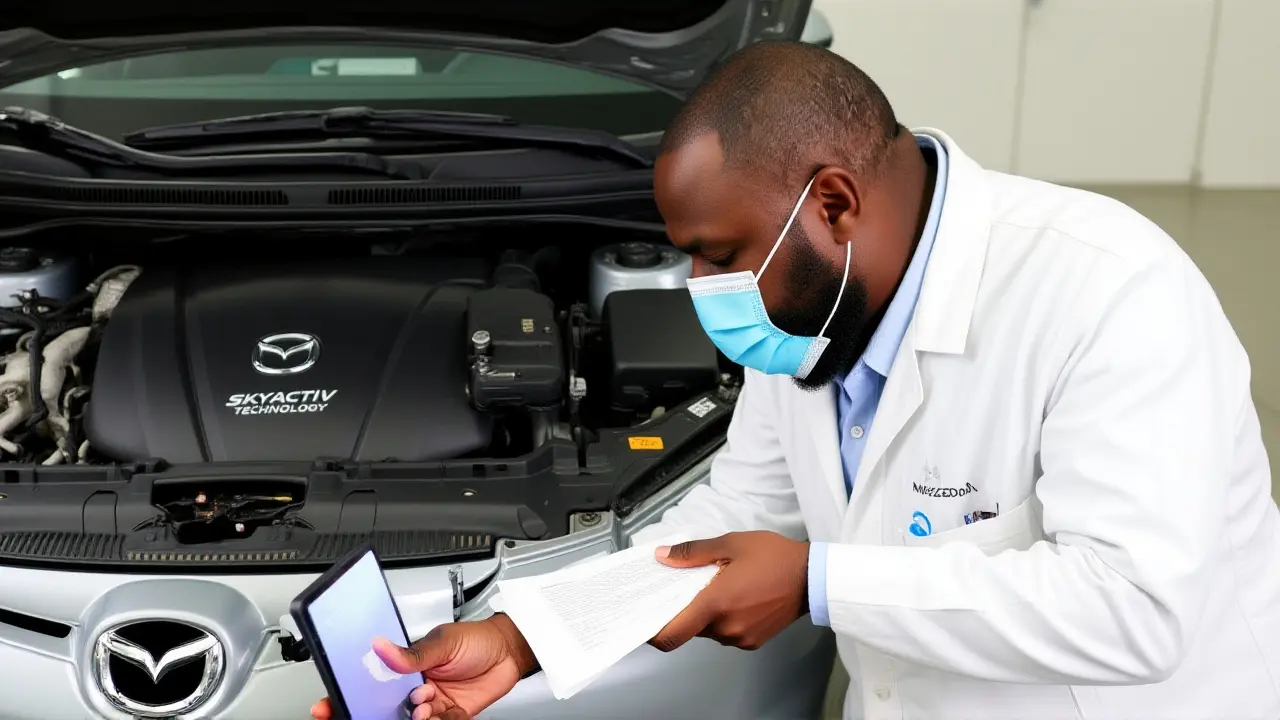
The National Transport and Safety Authority (NTSA) is looking to hand over some of its vehicle inspection duties to private companies to tackle a growing backlog of roadworthiness checks. Aden Noor Ali, the Chairman of the NTSA, revealed the plan during a public participation forum for the 2022 draft regulations, noting that a change in law is needed before the move can happen. If Parliament gives the green light, the agency will finally be able to outsource these critical safety checks, potentially slashing the wait times that have frustrated motorists across Kenya.
Here's the thing: the state is currently drowning in paperwork and queues. With only 17 Motor Vehicle Inspection Units operating nationwide, the NTSA is simply stretched too thin. It's a classic capacity bottleneck. For years, the agency has struggled to keep up with the volume of vehicles hitting the road, and under current legislation, they can't legally hire a private firm to do the heavy lifting. The proposed law aims to fix that, allowing the government to designate authorized private entities to inspect and recommend vehicles for road use.
- Current Infrastructure: Only 17 government-run inspection units available.
- New Mandate: Mandatory annual inspections will now include private cars, not just PSVs.
- Scope: Checks cover mechanical faults, emissions, and legal documentation.
- The Goal: Reduce road accidents by eliminating unroadworthy vehicles.
A Major Shift for Private Car Owners
For a long time, if you drove a private car, you mostly flew under the radar regarding mandatory safety checks. That's about to change. The NTSA has received approval to extend mandatory annual inspections to private vehicles, alongside the public service vehicles (PSVs) that have always been scrutinized. This move has caught many motorists off guard, as the regulatory net is suddenly widening.
These aren't just quick glances under the hood. The inspections are designed to be comprehensive. They'll look at common mechanical failures, emissions to meet environmental standards, and a strict review of documentation. Turns out, a lot of people are failing these checks for reasons that are entirely avoidable—like expired insurance or missing registration details. It's not just about the engine; it's about the paperwork too.
The Cost of Failure and Compliance
Failing an inspection isn't just a minor inconvenience; it's a financial hit. When a vehicle is flagged, the owner must pay for repairs and then pay again for a re-inspection. Interestingly, some motorists find themselves in a loop of repeated failures, which can lead to heavier penalties or even a total ban on using the vehicle on public roads.
The documentation side of things is where many stumble. To pass, motorists need to present:
- Updated vehicle registration details.
- Previous inspection reports.
- Valid, up-to-date insurance certificates.
- Proof that previous compliance issues have been resolved.
Why This Matters for Kenyan Roads
"This move will help reduce accidents by ensuring every vehicle is roadworthy across the country," Chairman Aden Noor Ali stated during the forums. The logic is simple: more inspection points mean more cars are checked, and more cars checked mean fewer mechanical failures causing fatal crashes on the highway. By leveraging the private sector, the NTSA hopes to turn a slow, bureaucratic process into an efficient safety net.
But wait, there's a broader implication here. Moving toward a privatized inspection model could create a new industry in Kenya, sparking job creation and investment in automotive diagnostic technology. However, critics often worry about the quality of oversight. If private firms are chasing profits, will they be as stringent as the government? The NTSA intends to mitigate this by acting as the designating authority, maintaining the power to audit and revoke the licenses of any firm that cuts corners.
Roadmap to Modernization
The transition isn't overnight. The process depends entirely on the Parliament of Kenya adopting the proposed legislation. Once the legal framework is in place, the NTSA will likely issue a call for expressions of interest from certified automotive firms. This would be the first major overhaul of the system since the 2022 draft regulations were first conceptualized.
Looking back, Kenya's road safety record has been a persistent challenge, with frequent reports of brake failures and steering malfunctions in older vehicles. This systemic shift from a state-only model to a hybrid public-private partnership is an attempt to modernize a crumbling infrastructure. The goal is to move away from the "catch and fine" approach and toward a preventative safety culture.
Frequently Asked Questions
Who will be affected by the new mandatory inspections?
Previously, mandatory inspections primarily targeted public service vehicles (PSVs). Under the new regulations, both private car owners and public transport operators must undergo annual inspections to ensure their vehicles meet safety and environmental standards.
Why is the NTSA outsourcing to private firms?
The NTSA is currently limited by a massive capacity gap, with only 17 inspection units nationwide. By partnering with private firms, they aim to clear the existing inspection backlog and reduce the time motorists spend waiting for roadworthiness certification.
What happens if a vehicle fails the inspection?
Owners must rectify the identified mechanical or documentation issues and return for a re-inspection, which incurs additional costs. Repeated failures can lead to stricter penalties or restrictions on the vehicle's use on public roads.
What specific areas are checked during the inspection?
The process covers three main pillars: mechanical integrity (brakes, steering, etc.), environmental compliance (emissions and pollution), and administrative documentation (registration and insurance). Failure in any of these categories can result in a failed grade.
18 Comments
This is just another layer of bureaucracy disguised as modernization :D
Why is the state suddenly obsessed with private cars now? It feels like a blatant cash grab for the government to create a new revenue stream through these 'authorized' firms and the associated fees. The logic that more checkpoints equals fewer accidents is a massive leap of faith when the system is already prone to corruption. I've seen how these things go; the rich pay for a pass and the poor get their cars impounded for a missing piece of paper. It's an absolute joke to think this will actually improve safety without a total overhaul of the enforcement culture first. Seriously, who is actually benefiting here besides the private firms getting the contracts? The average driver is just getting squeezed for more money while the roads remain a death trap because the people in charge care more about paperwork than actual road engineering. This is a classic case of solving a symptom rather than the disease. Absolute madness! :)
Predictable. Outsourcing is just a buzzword for admitting the state is incompetent. These private firms will either be too lax to get more customers or too strict to maximize re-inspection fees. Either way, the motorist loses.
totaly useless move. more ppl to take bribes just means more ways to fake a safety cert. its just gonna be a mess like evrything else
I hope this actually helps people get their cars checked faster :)
the wait times were totaly insane before so maybe this is a gud idea
absolutely disgusting that people think bribery is the norm here. if you actually care about your family you keep your car roadworthy period. stop making excuses for lazyness
lol look at the moral police over here. newsflash the system is broken and your high horse isnt fixing the roads
It's an interesting shift. I think having more options for inspections will take the pressure off the government units and maybe create some healthy competition between the private firms to provide better service.
This feels like a move toward a more standardized system. In many other countries, private inspections are the norm and it usually works out fine as long as the government keeps a leash on the licensing.
The systemic transition from a monolithic state-operated entity to a hybrid public-private partnership represents a paradigm shift in regulatory governance. We are seeing the externalization of operational risks while maintaining the centralized authority of the designating agency to preserve the overarching regulatory framework.
Totally agree with the focus on sustainability! Using private sector agility to implement emission standards is a great way to achieve environmental KPIs while scaling up infrastructure 🌿✨. It's all about that synergistic approach to public safety and green goals! 😊
Actually, most people fail because they ignore the basics. Just check your blinkers and insurance before you go and you'll be fine 🚗🛠️✅
It is important to remember that the goal is the safety of all citizens. While the transition may be difficult for some owners the end result should be a reduction in avoidable fatalities on our roads
Oh sure, because nothing says 'safety' like a private company that's incentivized to pass cars just to keep the customers coming back. Truly a visionary plan lol.
The sheer audacity of the state to suddenly impose these requirements on private car owners after decades of neglecting the road infrastructure is simply appalling, and the notion that outsourcing will solve a problem created by government mismanagement is a fantasy that only benefits the elite few who will secure these lucrative contracts while the ordinary citizen suffers from increased costs and bureaucratic nightmares!
This is so basic. Why is everyone acting like this is a big deal? It's just a car check.
Let's look at the bright side here folks!! This is a huge opportunity for young entrepreneurs in the automotive space to start their own certified centers and bring modern diagnostic tech to the masses which is exactly the kind of growth we need to see in the local economy to empower the next generation of technicians and engineers across the country!!
just make sure you keep all your papers in order’s the easiest way to avoid the headache and extra fees