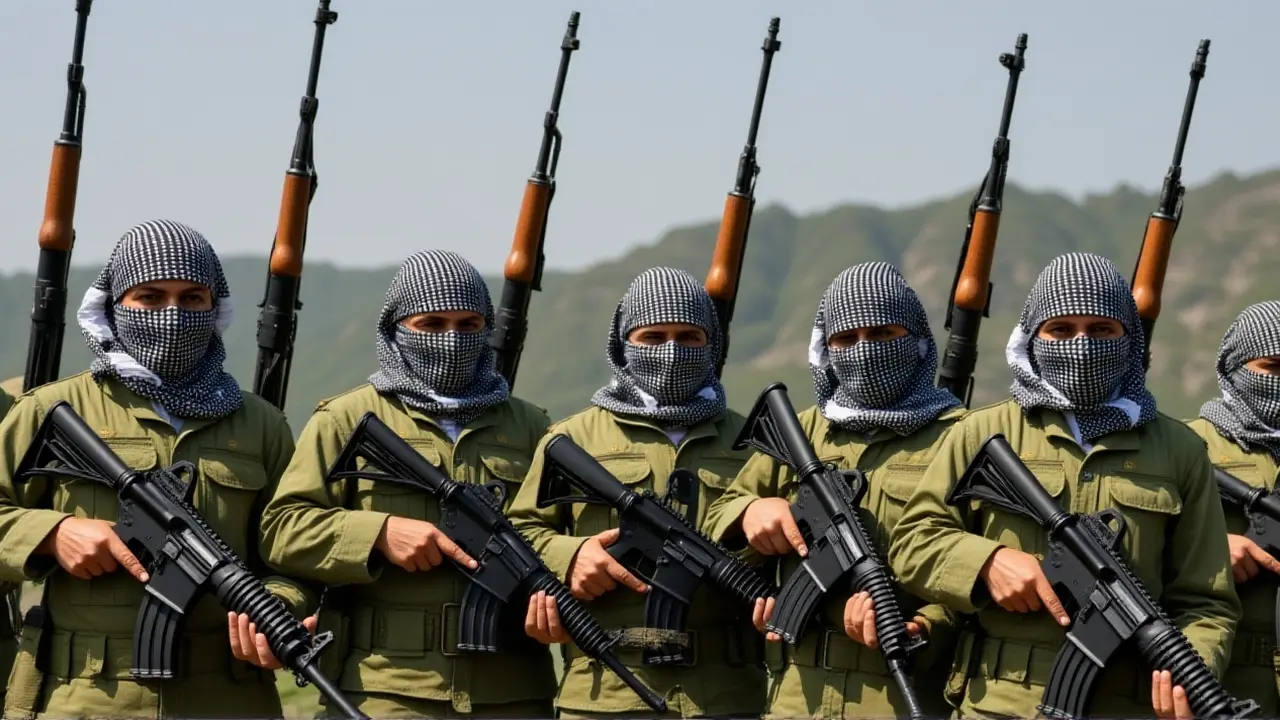
When Abu-Bilal al-Minuki, a senior commander linked to the Islamic State, was reportedly killed around May 16, 2026, it marked a significant blow to extremist networks across Africa. The joint operation by Nigerian and United States forces targeted a compound in the Lake Chad Basin, effectively dismantling one of the most influential logistical hubs for jihadist groups on the continent.
Here’s the thing: while headlines often focus on battlefield clashes, this strike highlights the growing precision of counter-terrorism efforts against the infrastructure that keeps these groups alive. Al-Minuki wasn’t just a fighter; he was the glue holding together disparate militant cells from Nigeria to the Sahel.
The Man Behind the Myth
Al-Minuki’s origins are deeply rooted in the region’s violent history. Born in 1982 in Mainok, near Benisheikh in Borno State, northeastern Nigeria, he emerged from what security experts call the "insurgency heartland." This area has long been central to jihadist organizing, particularly within the broader Lake Chad region where conflict has displaced millions.
His rise wasn’t overnight. By June 2023, the United States Department of the Treasury had already designated him a "Specially Designated Global Terrorist." This wasn’t just paperwork; it froze assets and signaled that Washington viewed him as a critical node in the Islamic State’s global network. Some reports even dubbed him the group’s global deputy leader, though independent verification of that specific title remains elusive.
Architect of Expansion
What made al-Minuki so dangerous? He didn’t just command troops; he coordinated them. Security analysts link him to efforts between 2015 and 2016 to move fighters to Libya, acting on directives from Islamic State central leadership. This happened despite opposition from Abubakar Shekau, the former Boko Haram leader who preferred local autonomy over transnational allegiance.
Turns out, al-Minuki played a key role in the al-Furqan Office, a structure designed to coordinate extremist groups across Africa. This office allegedly provided operational guidance, funding, and communication support to affiliates in Nigeria, Niger, Chad, and parts of the Sahel, including the Islamic State in the Greater Sahara. His influence extended far beyond the borders of any single country.
Logistics of Terror
The twist is that modern insurgencies run on logistics. Al-Minuki was reportedly connected to networks handling weapons production, explosives training, propaganda, and even drone-related activities. These aren’t small-scale operations; they require sophisticated coordination and technical expertise. Unnamed security sources suggest he facilitated the manufacture of weapons and organized training for operatives, ensuring that local cells had the tools to sustain their campaigns.
This focus on capability building aligns with broader Islamic State strategies. As noted by analyst Shadi Hamid at the Brookings Institution, the group has historically prioritized state-building and governance. In 2015, nearly half of its media output focused on sustaining its self-proclaimed caliphate, highlighting judicial systems, hospitals, and agricultural projects. Figures like al-Minuki were essential to maintaining this administrative order in remote regions.
A Strategic Victory?
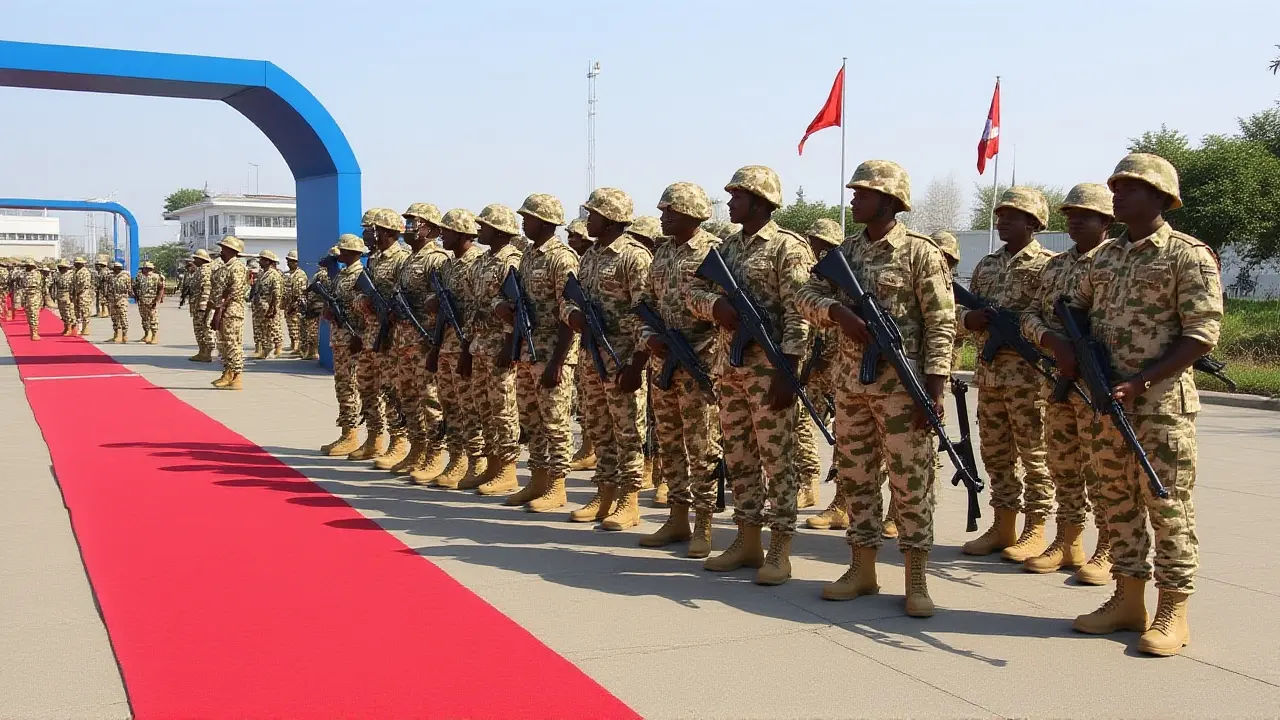
The reported killing around May 16, 2026, represents a major strategic win for the Nigerian military and its international partners. The joint operation targeted a compound believed to shelter senior commanders, demonstrating improved intelligence-sharing capabilities. However, the details remain somewhat opaque. Exact coordinates were not released, and confirmation of death relies on security sources rather than public evidence.
But wait—does removing one leader dismantle the network? History suggests otherwise. Jihadist groups often adapt quickly, promoting new figures or decentralizing command structures. Yet, losing a coordinator like al-Minuki disrupts the flow of resources and information, potentially slowing down expansion efforts in the short term.
Broader Implications for West Africa
The ripple effects of this strike could be significant. With al-Minuki gone, affiliates in the Sahel may face increased pressure to operate independently, reducing their effectiveness. For civilians in the Lake Chad Basin, this might mean a temporary reduction in cross-border attacks. But the underlying drivers of instability—poverty, weak governance, and climate change—remain unchanged.
Experts warn that without addressing these root causes, new leaders will inevitably emerge. The Islamic State’s brand, as described by the Institute for National Security Studies, continues to resonate as a successor to al-Qaeda in global jihadist discourse. Eliminating individual commanders is necessary but insufficient for long-term peace.
Frequently Asked Questions
Who was Abu-Bilal al-Minuki?
Abu-Bilal al-Minuki was a senior Islamic State-linked commander born in 1982 in Borno State, Nigeria. He played a pivotal role in coordinating extremist activities across the Lake Chad Basin and the wider Sahel region through the al-Furqan Office, managing logistics, propaganda, and fighter movements.
How did he die?
He was reportedly killed around May 16, 2026, during a joint military operation by Nigerian and United States forces. The raid targeted a compound in the Lake Chad Basin believed to house senior Islamic State commanders and logistical assets.
Why was his designation as a terrorist significant?
In June 2023, the US Treasury designated him a Specially Designated Global Terrorist, freezing assets and restricting transactions. This highlighted his importance in the Islamic State’s General Directorate of Provinces and acknowledged his role in expanding the group’s influence across Africa.
What impact does his death have on regional security?
His removal disrupts key logistical and coordination networks for Islamic State affiliates in Nigeria, Niger, Chad, and the Sahel. While it’s a tactical victory, experts warn that decentralized structures may allow other leaders to fill the void unless broader stability measures are implemented.